


.svg)


.svg)
.svg)
Why Petrol Prices Are Changing in July, and How to Spend Less at the Servo
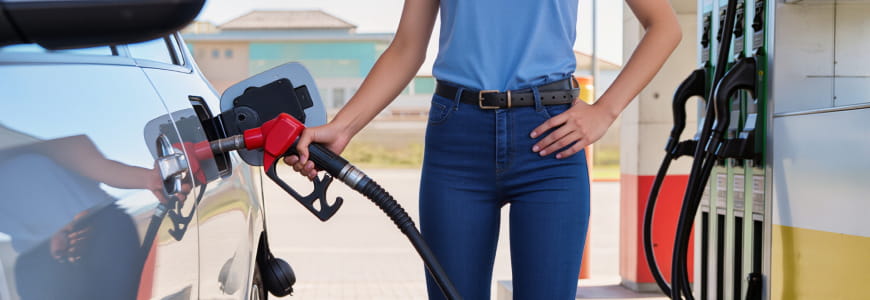
If your fill-up cost changed in July, you are not imagining it. The temporary cut to the fuel excise was wound back over the month, and that flows straight through to the price on the board. Here is what actually changed, why not every servo moved at once, and five things you can do to spend less right now.
What changed on 1 July?
The government had been running a larger fuel excise reduction from April to June. From 1 July that was partly restored, leaving a 16 cent per litre reduction in place until 2 August 2026. In plain terms, some of the tax relief on every litre came off, which nudges the base price up.
Why didn't every servo change its price at once?
Fuel moves through the supply chain at different speeds. A servo still selling fuel it bought earlier at the old rate may hold its price for a while, while others update sooner. Wholesale prices, existing stock and individual retailer decisions all play a part. The ACCC notes that changes do not always show up at the bowser immediately.
What else affects petrol prices?
Excise is only one piece. Australian pump prices are also driven by international refined fuel prices, the price of crude oil, the Australian dollar against the US dollar, and how much competition there is near you. When the dollar falls or global prices rise, we feel it locally regardless of the local tax setting.
What are petrol price cycles?
In the big capitals, Sydney, Melbourne, Brisbane, Adelaide and Perth, prices tend to move in cycles. They can jump sharply over a day or two, then drift down gradually over the following weeks before the next spike. Learning your city's cycle helps you fill up nearer the bottom than the top.
Five ways to reduce your fuel costs now
- Use a comparison app. Check live prices near you before you drive, not after.
- Time the cycle. Fill up when prices are near the low point of your city's cycle.
- Do not chase tiny savings. Driving across town to save two cents a litre usually costs more in fuel than you save.
- Combine trips. Fewer cold starts and less backtracking means less fuel burned overall.
- Check your tyres. Underinflated tyres use more fuel. A quick top-up to the right pressure helps.
Our guide to maximising your car's fuel economy has more, and reviewing your other everyday bills with Beforepay's Compare & Save can free up room in the budget while fuel is high.
What happens after 2 August?
The July relief was scheduled to end, with the fuel excise returning to its standard rate from 3 August 2026. That means the small saving from the remaining relief comes off. If government policy changes after that date, check an official source for the latest position rather than relying on older articles.
You cannot control global oil prices or the exchange rate, but you can control when and where you fill up. Compare prices before you go, and always weigh a cheaper price against the cost of driving further to get it.
This article is general information only and does not take into account your personal circumstances. It is not financial advice. Beforepay products are subject to eligibility criteria and Terms of Service.

FAQs
.svg)
The temporary fuel excise relief was tapered. A 16 cent per litre reduction applied from 1 July to 2 August 2026, following the larger reduction that ran from April to June. Retail prices did not all move at once because fuel passes through the supply chain at different speeds, something the ACCC monitors.
The 16 cent per litre relief applied until 2 August 2026. From 3 August 2026 the fuel excise returned to its standard rate. If government policy changes after that date, check an official source such as the Budget website for the latest position.
Use a fuel comparison app to find the cheapest nearby servo, learn your city's price cycle and fill up near the bottom of it, combine trips to cut unnecessary driving, and keep your tyres properly inflated. Avoid driving far to chase a tiny per litre saving, as the extra fuel often cancels it out.

Disclaimer: Information provided by Beforepay is factual information only and does not constitute financial, legal or tax advice. The views expressed in articles, including those of guest contributors, are general commentary only and should not be relied upon as a substitute for professional advice. While Beforepay Group Limited and its related bodies corporate believe the information provided is accurate at the time of publication, no representation or warranty is made as to its accuracy, completeness or reliability. To the extent permitted by law, Beforepay disclaims all liability arising from reliance on this information. Please read our Terms of Service before using Beforepay’s services.
Applications are typically approved in under 60 seconds, though some applications may require additional review.
† Approved loan amounts are subject to Beforepay’s lending criteria and verification requirements.
‡ Comparison rate calculated on a $2,500 loan over a 2-year term.
‡ WARNING: This comparison rate is true only for the example given and may not include all fees and charges. Different terms, fees or loan amounts may result in a different comparison rate.
The Beforepay Beat
Plan, track, compare, and save with Beforepay’s free finance tools.
.svg)

.svg)


.webp)