


.svg)


.svg)
What if a Bill Lands Over the Easter Long Weekend? Here’s What You Can Do
The contents provided on this page are for informational purposes only and do not constitute financial advice. Consider your personal circumstances and objectives before making any financial decisions.
TL;DR
- Long weekends can delay payments, bank transfers, and customer service support.
- If a bill falls due during a public holiday, it can help to plan ahead or schedule the payment early.
- Many providers offer payment plans or grace periods if you contact them before the due date.
- Short-term borrowing options can sometimes help cover essential bills if timing becomes an issue.
- A little planning before long weekends like Easter can prevent payment stress later.
Bags packed, car loaded, friends/family/pets settled—it’s time for a long weekend.
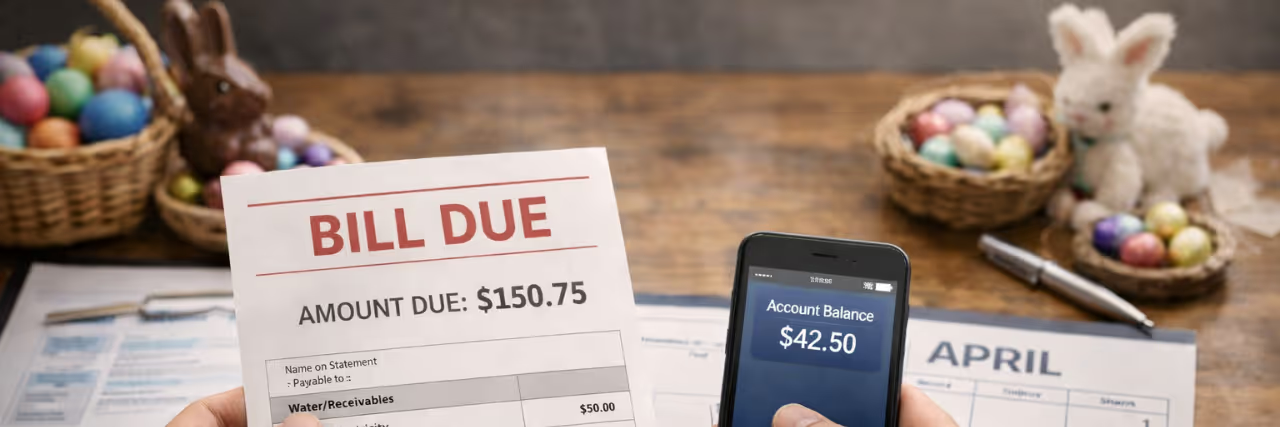
Then a big bill is due smack bang in the middle of or just before a public holiday. Talk about a mood killer.
Banks may operate on reduced hours, some payment systems pause, and many customer service teams aren’t available until the next business day. If a due date falls during this window, it can leave you wondering what to do, and if you would be penalised for something out of your control.
The good news is that there are practical steps you can take to stay on top of your bills, even when timing isn’t ideal.
Why Long Weekends Can Affect Bill Payments
Public holidays can impact payments in a few ways.
Bank Processing Delays
Some transfers or payments may not be processed until the next business day. Whether this will affect you depends on your chosen payment method and your bank.
Customer Support Closures
They’re on holiday too! If you need to adjust a payment or ask for help, support teams may not be available until after the holiday period.
Automated Payment Timing
Many automated payment systems don’t process payments on public holidays. If you have a direct debit scheduled during a public holiday, it may be processed on the next working day.
Most providers understand this, but it’s still worth planning ahead where possible.
4 Things You Can Do if a Bill is Due Over a Long Weekend
1. Check the Due Date and Payment Window
You may be able to pay after the holiday ends. Some providers automatically extend due dates if they fall on a public holiday or provide a grace period after a due date before they start charging fees.
It can help to review the terms on your bill or your provider’s website.
2. Schedule Payments in Advance
One of the easiest ways to avoid issues is to set up payments before the holiday begins.
You might consider:
- Scheduling a bank transfer a few days early.
- Setting up direct debits for recurring bills.
- Paying via your provider’s app or online portal.
Automating essential bills can reduce the risk of forgetting during busy periods. However, you’ll still need to be aware of potential automated processing delays.
3. Contact Your Provider Early if Needed
If paying a bill on time isn’t possible, contacting your provider before the due date can make a big difference.
Many companies offer:
- Payment extensions.
- Payment plans.
- Temporary hardship options.
Reaching out early often gives you more flexibility and wiggle room than waiting until after the due date.
4. Prioritise Essential Bills First
If multiple bills fall around the same time, it’s always a good idea to focus on the essentials first.
Essentials such as:
- Rent or mortgage.
- Utilities, like electricity or gas.
- Rego or insurance.
- Repair bills.
Separating essential and non-essential expenses can help you decide what needs attention first and what you can let go for a little while. Our guide on budgeting with irregular income explores this in more detail.
What if the Timing’s Off?
Maybe the bill comes in not just before the long weekend but also before you get paid. This could make that pay gap feel wider than it already is.
Taking out a small, short-term loan may help you cover those essential costs over a long weekend, especially if you’re confident you can repay it fast.
For example, a Beforepay Pay Advance helps customers access extra funds to manage everyday expenses like utility bills, car repairs, or groceries. These Advances are designed to be repaid within a short period, helping bridge the temporary money gaps that crop up from time to time.
Before borrowing, it’s always important to:
- Borrow only what you need (Beforepay sets personalised limits).
- Understand fees and repayment terms (We provide everything upfront, with nothing hidden).
- Make sure the repayments fit comfortably in your budget (Your repayments are aligned to your paycycle).
How to Prepare for Long Weekend Expenses
Long weekends like Easter tend to attract clusters of expenses—travel costs, groceries, higher household bills—like they’re just waiting for you to book accommodation and submit annual leave.
Planning ahead can help reduce surprises. The secret ingredient is always planning.
Some simple steps include:
- Setting aside small amounts for upcoming bills.
- Using budgeting tools to track upcoming payments.
- Checking your calendar for public holidays that might affect due dates.
- Setting up a repayment calendar and including relevant public holidays so they’re clearly visible.
Small habits like these can help you stay in control of your finances, even when life gets busy.
If you find yourself in need of extra funds when planning your next weekend getaway, consider a Beforepay Pay Advance. Get up to $2,000 in as little as 5 minutes, with no credit checks or hidden costs. We look at your income and spending instead.
Learn how Beforepay Pay Advance works
But if you aren’t in need of a short-term loan, feel free to read through some of our tips on managing holiday expenses.
FAQs
What happens if a bill is due on a public holiday in Australia?
Many providers process payments on the next business day, though this varies depending on the company and payment method.
Can direct debits still go through during a long weekend?
They can but many may be processed on the next working day if the scheduled date falls on a public holiday. It depends on the payment platform.
Will I be charged a late fee if a bill falls on a public holiday?
Many companies allow a short grace period, but it’s best to check your provider’s terms.
How can I avoid missing bill payments over long weekends?
Scheduling payments early or setting up automated payments before a long weekend can help ensure bills are paid on time.
What if my payday comes after a long weekend?
If there’s a short gap between payday and your bills, budgeting tools or short-term options such as Beforepay Pay Advance may help smooth the timing.
Is it better to pay bills early before a long weekend?
Paying a few days early can help ensure the payment processes before the holiday period begins.


Disclaimer: Information provided by Beforepay is factual information only and does not constitute financial, legal or tax advice. The views expressed in articles, including those of guest contributors, are general commentary only and should not be relied upon as a substitute for professional advice. While Beforepay Group Limited and its related bodies corporate believe the information provided is accurate at the time of publication, no representation or warranty is made as to its accuracy, completeness or reliability. To the extent permitted by law, Beforepay disclaims all liability arising from reliance on this information. Please read our Terms of Service before using Beforepay’s services.
Applications are typically approved in under 60 seconds, though some applications may require additional review.
† Approved loan amounts are subject to Beforepay’s lending criteria and verification requirements.
‡ Comparison rate calculated on a $2,500 loan over a 2-year term.
‡ WARNING: This comparison rate is true only for the example given and may not include all fees and charges. Different terms, fees or loan amounts may result in a different comparison rate.
The Beforepay Beat
Plan, track, compare, and save with Beforepay’s free finance tools.
.svg)
.svg)

.svg)


.webp)